Stories can be simple, but looks can be deceiving.
I’m always swearing up and down that, like an onion, my stories have layers. The words and images, names, places, and lines of dialogue, all exist on several levels, sometimes literally.
This video gives you an example of that, from the first page of Brushfire: Wave 1, which is a page with barely anything on it.
This is all to say: keep digging until you hit that molten core of lava.
This is an essay about grief and, out of respect, I have to preface it with a spoiler warning for John Wick 4.
It’s only a line of dialogue, but it’s what got me thinking about this in the first place, and if you don’t want a frame of the new film exposed, this is your sign.
Now then.
There’s a scene in the movie where John Wick is in a church. This is after a scene in which many people die and before a scene in which many more people die. His friend Caine asks John if he’s talking to his dead wife by the candlelight (he is) and if he thinks she can hear him (he does not).
If he doesn’t think his wife can hear him, Caine wonders, then why is he speaking to her at all?
John sums it up in three words:
“Maybe I’m wrong.”
Nothing could explain my non-religious relationship with spirituality more.
I have spent my entire life unreligious, but extremely superstitious, knowing well that I don’t know what the answer is, and I could be wrong in rejecting any of the options.
I have read about more religions than most of the people in my circle, because the majority of the religious people I know figured the first one they got started with was the answer, and they never had any reason to question it.
Conversely, I have never stumbled upon any religion that makes sense or even feels right to me.
And that conflicts with the basic human want (or need) that there is something more than this (and after this).
The first time I saw a cardinal after my mom died, someone told me it was her visiting me. I thought that was the stupidest thing I had ever heard and I burst into tears in the bathroom shortly after.
What I know often conflicts with how I feel.
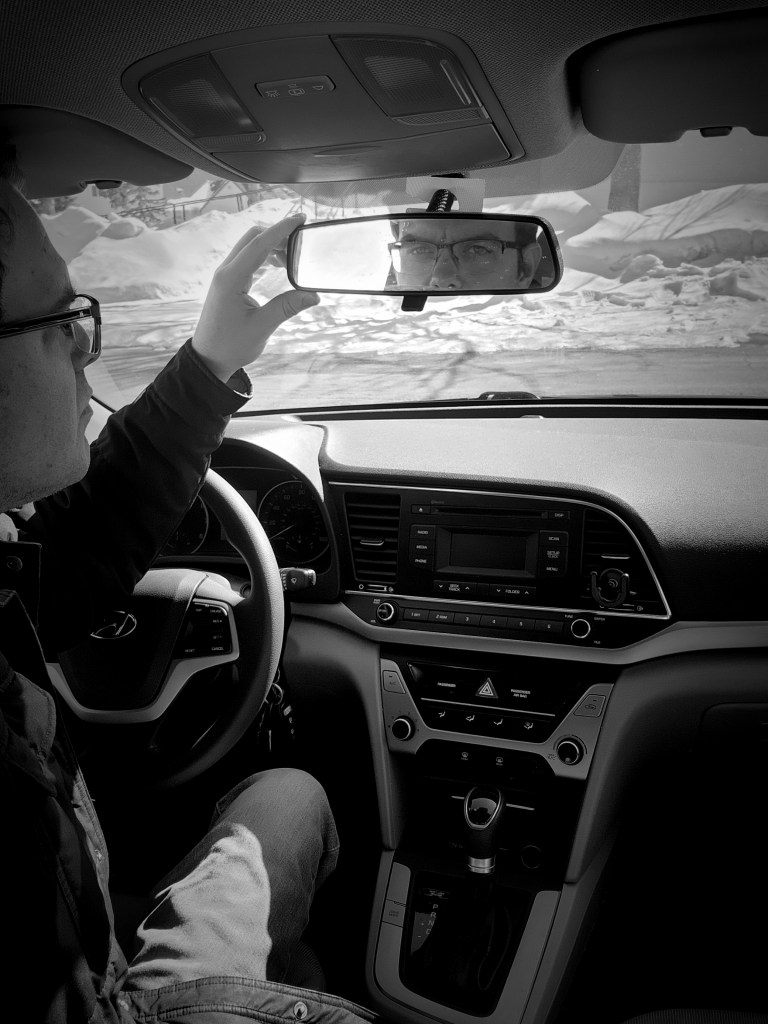
I talk to my mom all the time. Sometimes I catch my hands moving on the steering wheel, signing to her, wherever she is.
Do I think she can hear me? Any less than she could when she was here?
Happy Friday! Today’s video is about THE END of my Kickstarter (LESS THAN A WEEK LEFT) and all the pop culture stuff I’m into right now, which includes:
– Fall Out Boy‘s killer new album – How we live in the best timeline, because on Wednesdays we wear pink, and we also get an episode of The Mandalorian AND Ted Lasso now – Yellowjackets returns! Hide your kids! – Star Wars: The High Republic Phase II breaks what’s left of my heart after Phase I
If you want to support our artistic dreams, there are just a few days left of Sleeping Kitty Stretches, which is to publish two graphic novels and start an animation + audio studio.
I would love it if you checked it out, shared it, and even invested yourself!
Hope you’re taking care of yourselves, hanging in there, and enjoying this rare appearance of the glowing orb we once called the Sun.
When you tell people you’re a writer with published books, their response varies.
Sometimes, they’re like, “Wow! That’s awesome!”
But most of the time they say: “I have a great idea for a book. Can you publish it for me?”
I’ll do you one better. There’s an old adage about fish and the effort it takes to collect and consume them; I’ll just teach you my process and, unlike Kelis and her delightful ice cream beverages, I won’t even charge.
Step 1: Write the book.
This is the step that 99% of you will not complete.
Sorry. Was that mean? It’s not supposed to be. So many people get concerned with all the steps further down the line before they even fully take this one, and I want to make it clear that none of the other steps matter (or exist to you) if your story doesn’t exist to read.
I try not to offer advice on anything (because I am an idiot), but if I had a suggestion for how to finish a story, it would be simple: choose something you care about. Deeply. It sounds obvious, but it’s not. A lot of people think a good idea is a good story, but again: it’s not. They’re two separate things.
Good ideas are wild birds; most people encounter countless every day. A story is a wounded bird you find that you have to bring home and nurse to health.
You are going to spend a part of your life writing this story, and another part of your life talking about it, and maybe for the rest of your life. Make it matter.
Step 2: Edit the book.
I edit my own books. It is a stupid thing to do.
Every single professional, semi-professional, and most amateurs in the writing world will all tell you the same thing: get an editor.
They are right. Do that.
But ten books in, I have yet to. I am a decent editor. There are mistakes in my books, but there are mistakes in every book, and I can show them to you.
At the end of the day, your name is on the cover. You have to decide whether you can live with the imperfections within. I have come to an uneasy peace with them, and with myself.
“Write drunk, edit sober.” It’s old advice. When I wrote Them, I was only doing the former. Years later (in 2021), I finally edited the book sober, and that Special Edition is the collection people read now.
Step 3: Format the book.
Here is where the technical challenges appear, and some of them are creative ones, as well. You have some decisions to make. Decisions like:
– What word font and size do you want to use? – What will the size of your book be? – What pages outside of your story do you want to include? This includes a dedication page, a copyright page, a table of contents, a forward, etc.
Some of these choices are (kind of) made for you.
I chose a printing company called BookBaby to publish Them (a sister company of CD Baby, which is where I released my three full-length Next Step albums). They gave me different sizing options for my novella, and I chose the digest size. I then formatted my book to that size.
Google is amazing. There are so many resources out there, but you have to know what you’re searching for. You will run into specific walls. Google specific ladders.
Step 4: Design your cover.
It is either a little- or well-known fact that I did attend college for almost a year, and that it was art school.
So, like editing, I design my own covers.
Again, it is highly recommended you get somebody who knows what they’re doing.
Again, I kind of do, and I also kind of just don’t know better.
The old adage about not judging books by their covers is bullshit and we know it; we all do it, and covers are important when there are one billion new books produced every day.
I echo myself here: your name goes on the cover. Make it something you’re proud of, that stirs the kind of emotion in you that you want your potential reader to feel, too.
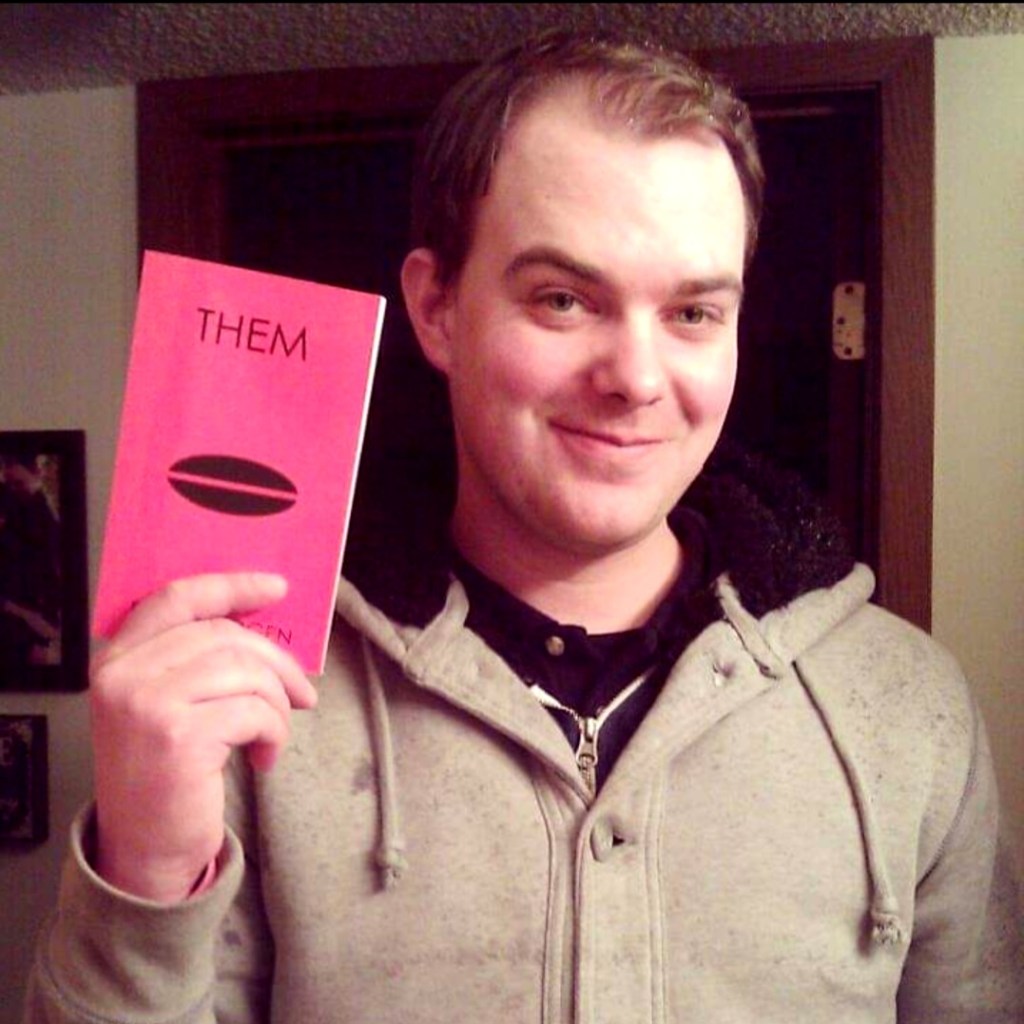
The cover to Them was a clear idea I had in my head; the execution of the cover (the stark black symbol of a spaceship against the blood red background) was exactly how I imagined it. You can’t tell what era it’s supposed to be from; it feels both retro and futuristic, and foreboding.
Technical aspects abound: you will need to figure out, down to the millimeter, down to the pixel, exactly how big each section of your cover is (cover, back cover, spine) and design it accordingly. I go through much trial and error with this, even ten books later. It is a freaking process.
Step 5: Time to upload that shit.
You have your formatted, final manuscript. You have your high-resolution PDF cover.
It’s time to click “send”.
When I released Them, Amazon did not yet have their print-on-demand service. Giant corporations be damned, their new service is a godsend to self-published writers.
If you complete all the steps I just shared with you, you can upload to Amazon for free, and your friends and family can order copies, and you can order author copies at a discounted price that you can use for conventions and book signings and selling at local shops.
With Them, I uploaded my files to BookBaby, and I used the money I raised with my first Kickstarter to pay for a box of books.
And I became a published writer.
Step 6: Tell everybody about it.
This is the worst step, and the one that never ends.
When I got my box of Them, the first thing I did (besides give a copy to my mom) was send out books to my Kickstarter supporters.
With the books I had left, I went out into the world to promote it.
Here, as a relatively unsuccessful writer, at least financially, I have no advice.
Except for try everything.
Some things will work. Some won’t. Some won’t work for this book, but might work for your next.
Do weird things. Go weird places.
Just remember: the only point to any of this is to connect to other human beings.
You wrote this book — this story you deeply care about, right? — so other people could read it.
If and when your book connects to somebody, you’ll experience something that 99% of other people don’t get to. It is a feeling unlike any other, an unreal emotion, and before you know it, you’ll find yourself chasing it all over again.
I’ve written several times about why folks are more passionate than ever about politics. People are not more political; politics have become less about politics.
I have a tremendously annoying habit of trying to understand things. When someone is telling me a story in which another person has wronged them, I often wonder aloud why that other person would have done so.
It’s not a matter of playing devil’s advocate; I genuinely want to put myself in other people’s shoes, no matter how uncomfortable they may be.
So, I was driving behind a car with a “Let’s Go, Brandon” bumper sticker.
(If you don’t know what that means, I highly recommend finding the video from where the phrase originates. A crowd of sports fans are chanting a NSFW rant on live TV, which amounts to giving the current president a giant middle finger. It’s immature, it’s hilarious (the reporter thinks they’re chanting “Let’s Go, Brandon”), and it’s become a secret handshake among Republicians.)
I decided to consider the bumper sticker, the person who displayed it, and what its consequences could be.
I started with worst-case-scenario: another person could hate this guy without ever meeting him, just because he decided to put a sticker on his car. There are many reasons to dislike a person, and this is both a stupid and valid one.
But then I thought of the best-case-scenario, and it actually made me sick.
Somebody could love this guy just because of the sticker on his car, and their connection would be based on… their mutual hate for a person, or whole group of people.
If you don’t see how this is a problem, you’re actually not alone.
There is an epidemic — not of people hating each other (that’s normal), but acting like they have no idea why.
“Why is our country so divided?” “Why does it feel like people hate so much more?” “What happened to mature discourse?”
As if people can’t see bumper stickers.
Human beings are starting relationships based solely on what they hate, and they have never advertised that more.
It is quintessentially American at this point.
I love wearing fan shirts. When I’m wearing a Star Wars or Spider-Man shirt and somebody tells me they love that thing, too, there isn’t a feeling like it in the world. At conventions, I have started full friendships based solely on something I was wearing or displaying.
Any ride you survive was worth taking; eventually you’ll take one you don’t.
If you’re a normal human who does regular person things (jealous!), you probably don’t read everything I post (and if you’re a weirdo who does, okay, I see you, too). So if you missed it: back at the beginning of January, my car was stolen. It was a bummer, 0/10, don’t recommend. It was recovered a few days later, but repairs were required, and those fixes needed time.
That turned into a two-month-long era that mostly sucked as far as transportation goes, but was sweet in the help I received by the people around me, mostly my dear family and co-workers.
It was the anxiety and uncertainty and unexpected dread and disquietude that came roaring back that was harder to bandage.
Some days it kind of kills me.
Last Tuesday, my car was ready to pick up. A minute or two after driving off the lot, I knew something was seriously wrong; for one, on a sunny, dry day, my icy hazard light kept flashing at me. After two very perilous trips on the freeway, I returned it to the garage, where they confirmed my fear:
My car was trying to kill me.
They didn’t frame it like that (something about bedside manner), but there was something very wrong with my front axis, and they apologized for what must have been a terrifying driving experience.
Twenty-four hours ago, I got my car back yet again. It drives a lot better and is far less murdery. About half a mile after leaving my home yesterday, I was almost hit by a bus exiting off the freeway.
Everything is trying to kill me.
The old me was resigned to this fact. I accepted it and, perversely, I participated in it.
But the way I see it has changed; at first, little by little, and then radically, all at once.
Life is trying to kill me. It’s trying to kill you, too. And it’s clever and ingenious and unique in how it goes about it, by learning what will best kill us, individually.
Life will stalk you through the woods, calmly walking as you run away, bleary-eyed and screaming. It will lock you in dark rooms without windows, it will hide in your closet, it will call you in the middle of the night until you answer.
What kills you will be tailored to you, just like it’s tailored to me.
Stolen cars and lost jobs and bad dreams and worse genes and dead parents.
Stab, stab, stab.
I used to accept life in spite of the fact that it is constantly trying to kill me.
But that isn’t right. It isn’t a way to live.
You love life because it kills you.
When you remember that at any moment life could finally succeed in its ultimate goal, you stay alert; present; in the moment.
You never forget who you love, what you believe, and why you’re here.
You embrace the fact that at some near point in time, you will have nothing; and you realize just how much you have, right here, right in front of you now.
Life will kill you. It isn’t a question.
The only question is what you’re going to do with it before it does.
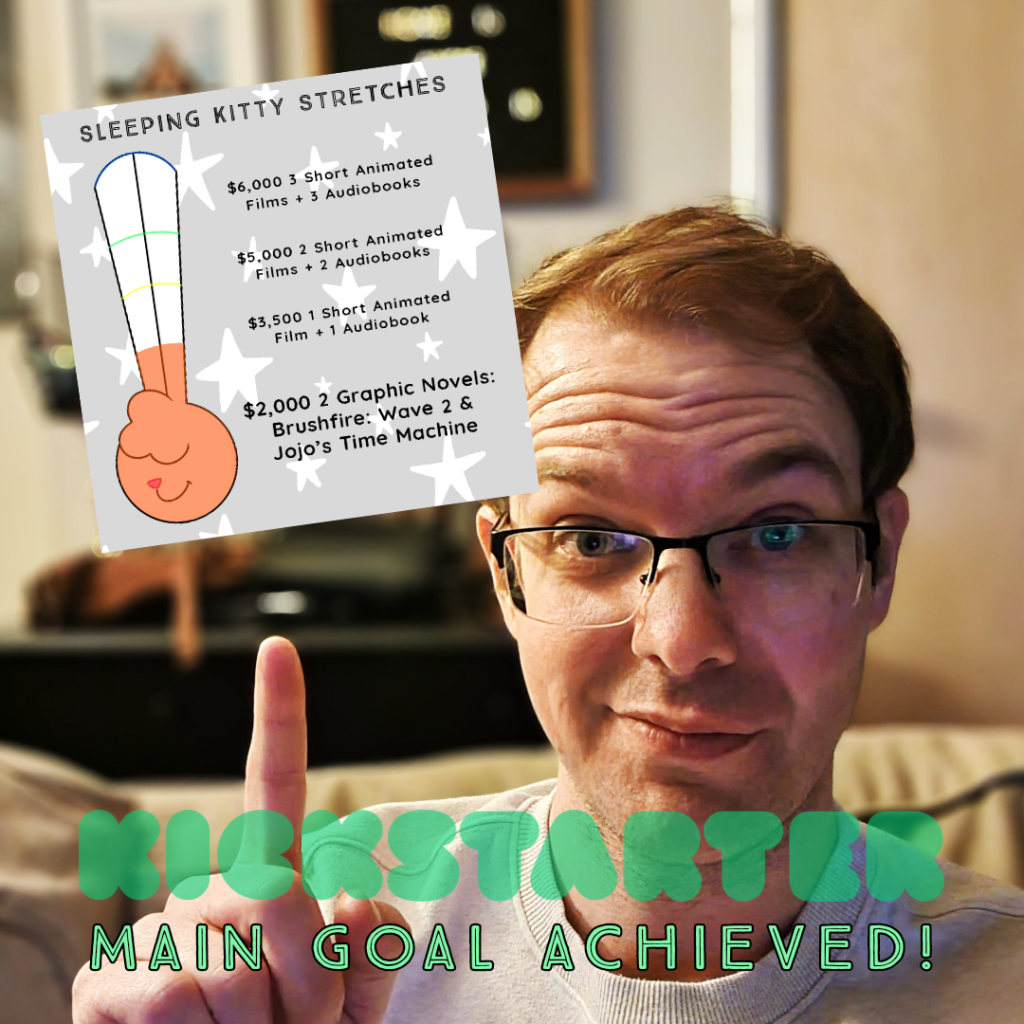
First things first: WHOO HOO! I can’t believe how fast we reached our main goal.
But we did. And it’s all because of you.
THANK YOU.
So is this over? Heck no!
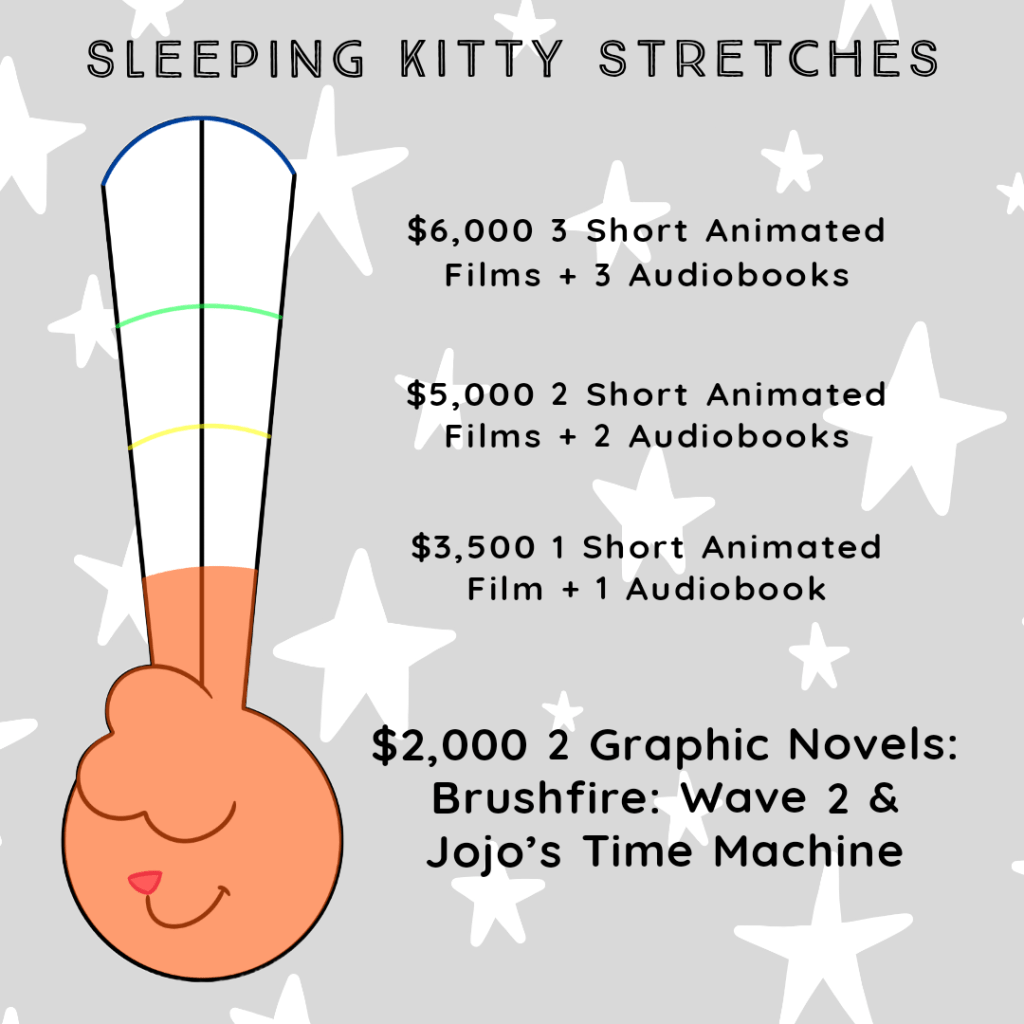
My heart really wants to reach at least that first stretch goal, where we can make an animated short film and audiobook and really stretch creatively (that’s where the name came from!).
And now that the main goal is complete, two graphic novels are definitely coming, and our campaign is the best way you can get your hands on them (and other cool stuff!).
Thank you again. My tiny heart is so full. Keep sharing and liking and doing the damn thing, the damn thing being living your best life.
When I was growing up, I was obsessed with fan art pages published in real comic books. It made me feel like, one day, that could be me.
In Brushfire: Wave 1, I got the opportunity to have my own fan art page, and in Wave 2 – I’m doing it again!
All ages are welcome; the age range of the artists in the first book literally spans decades. Use the characters and settings of Brushfire to create your own unique work, and I could feature it in Wave 2, the newest chapter of the series, scoring you a free copy.
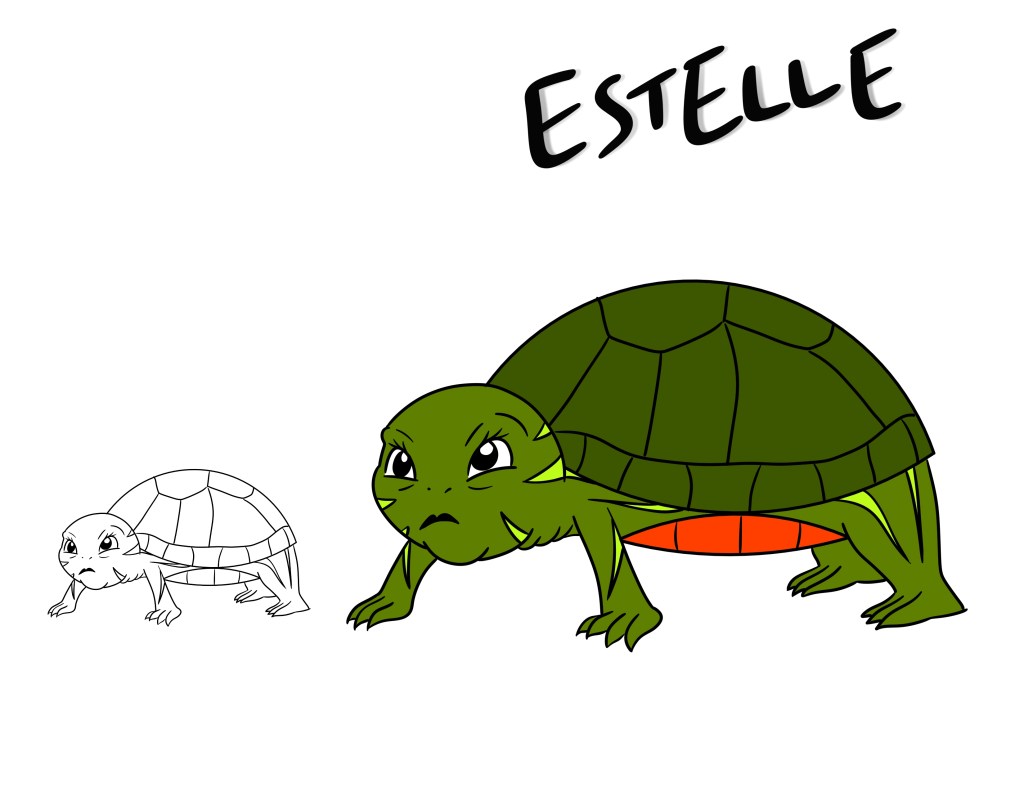
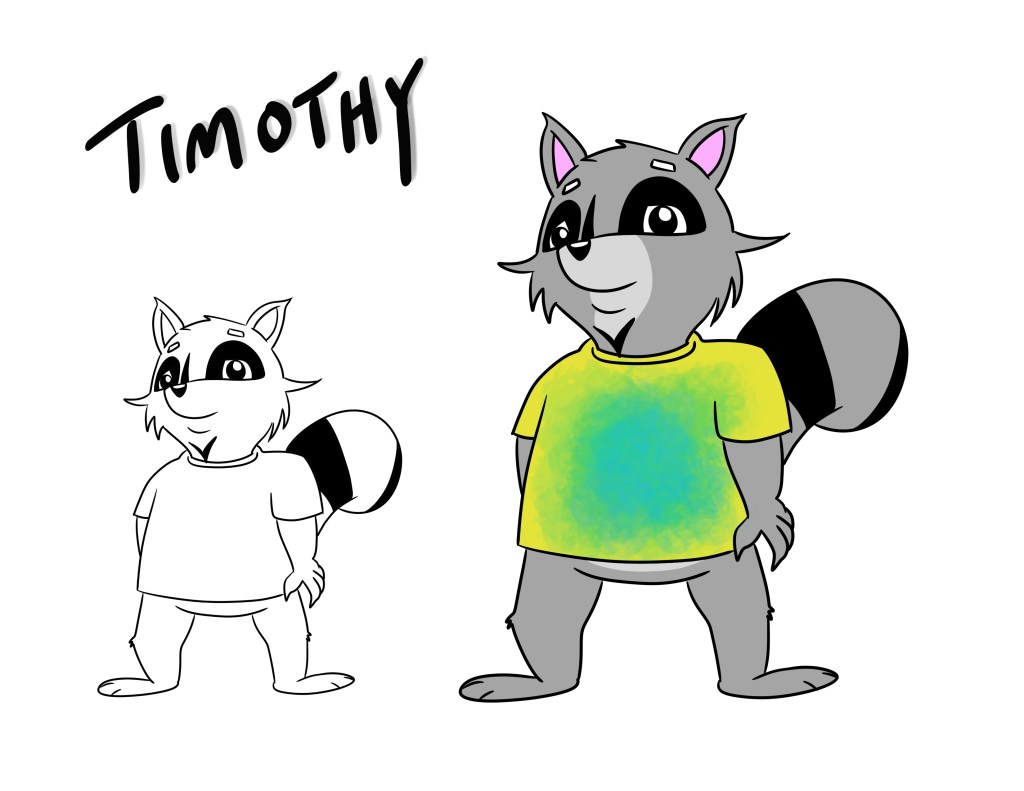
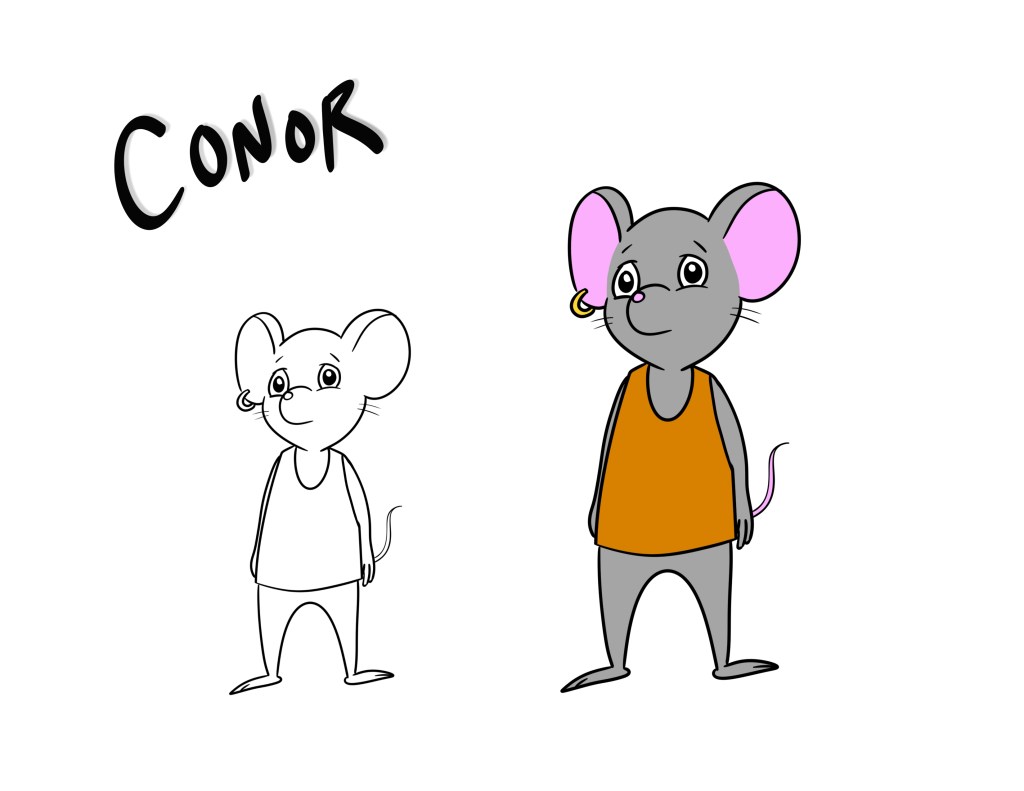
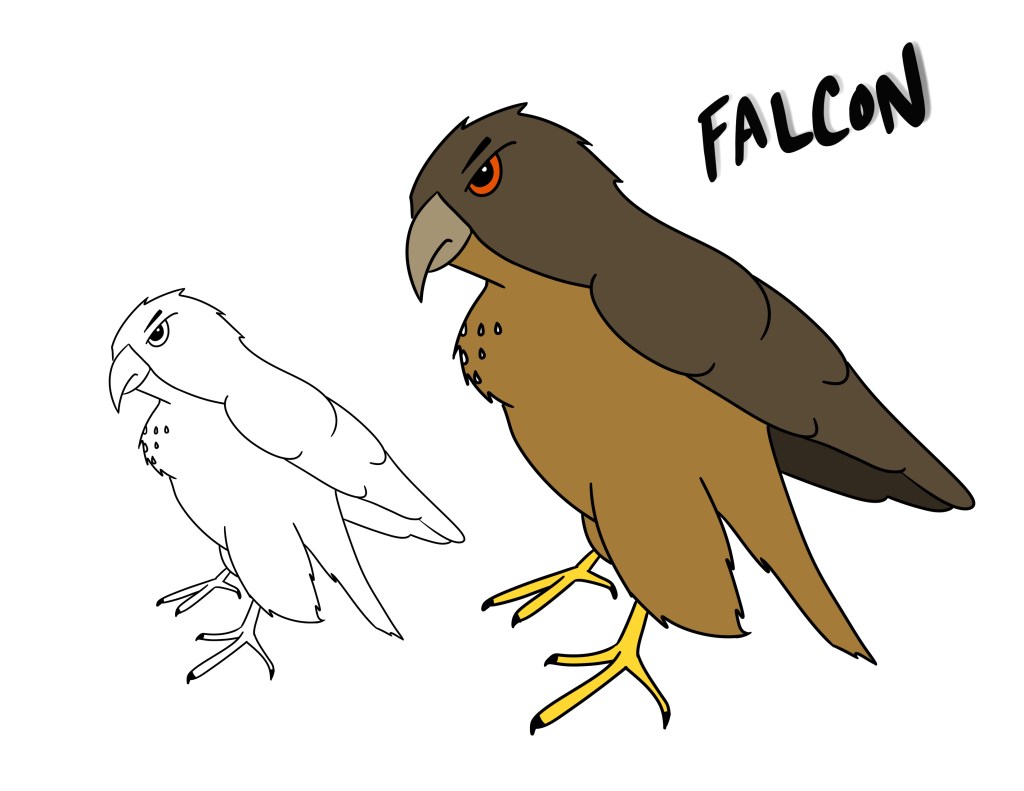
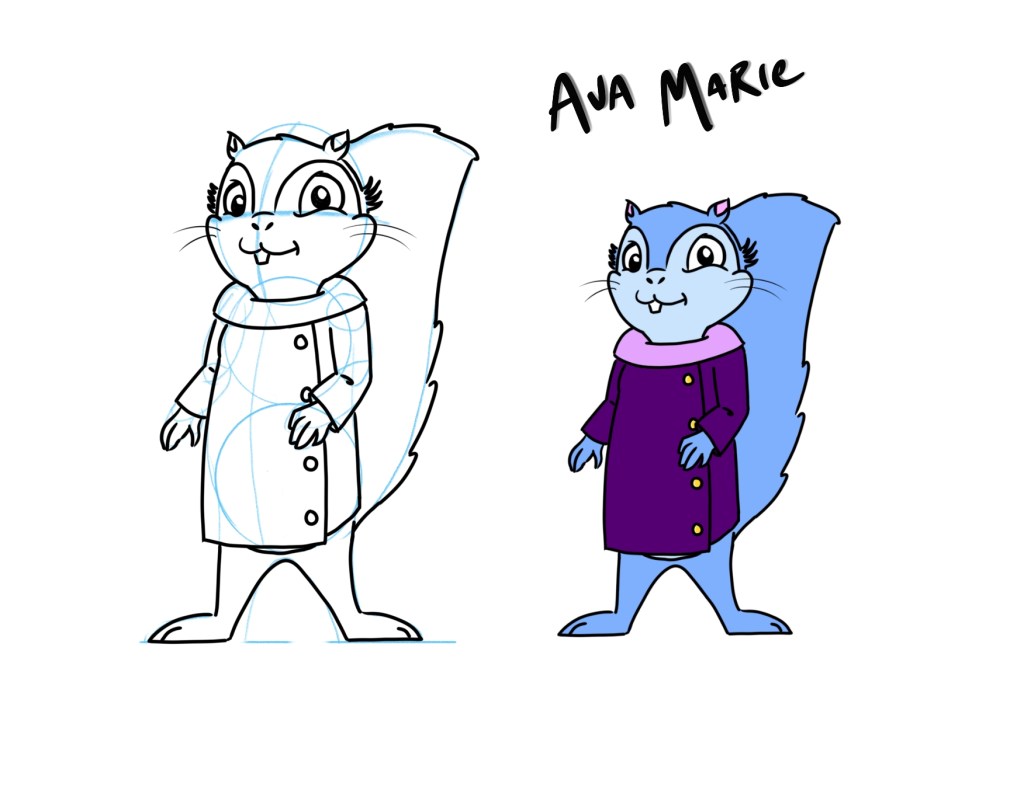
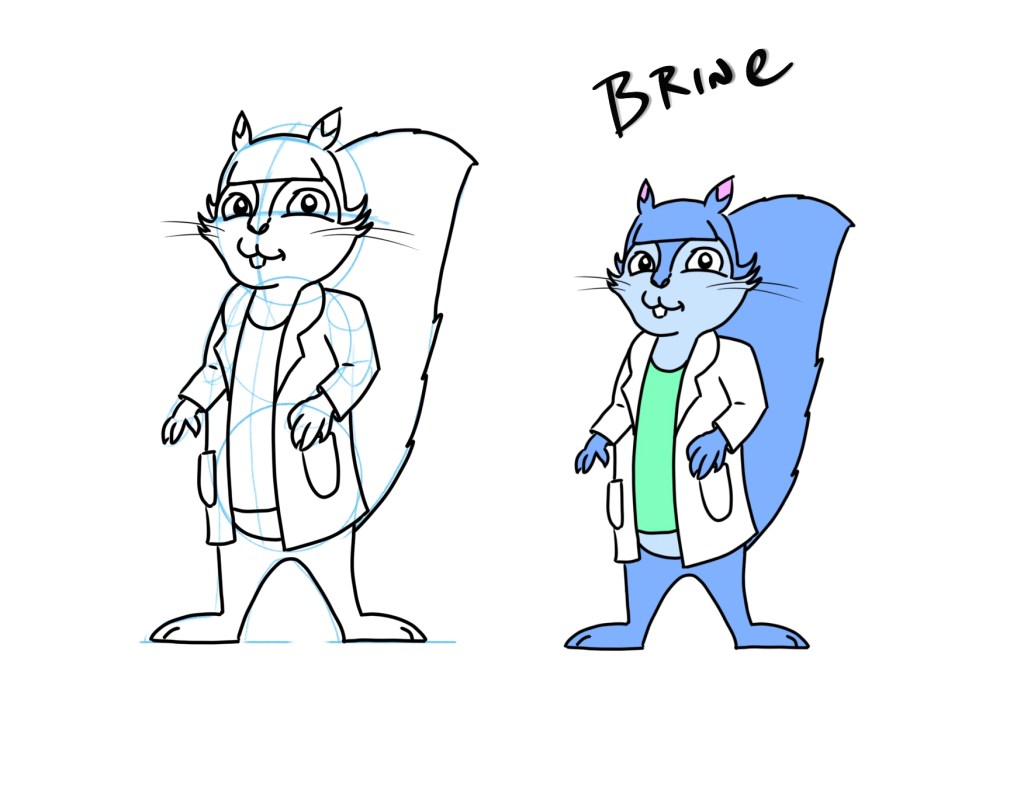
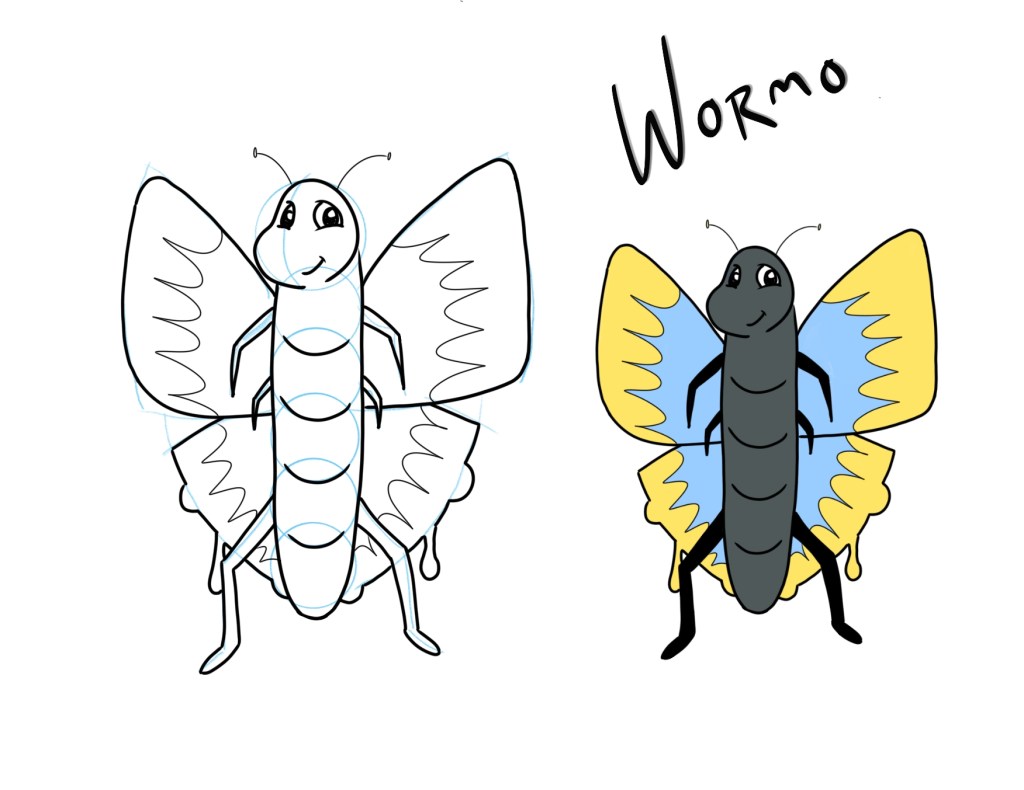
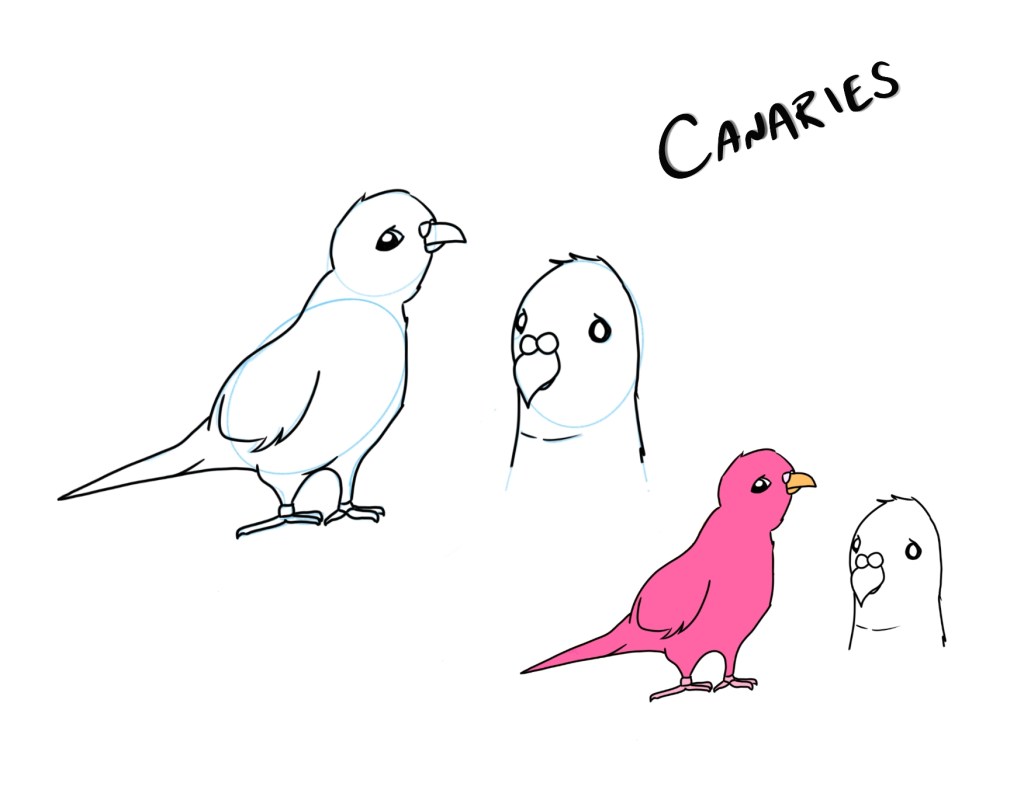
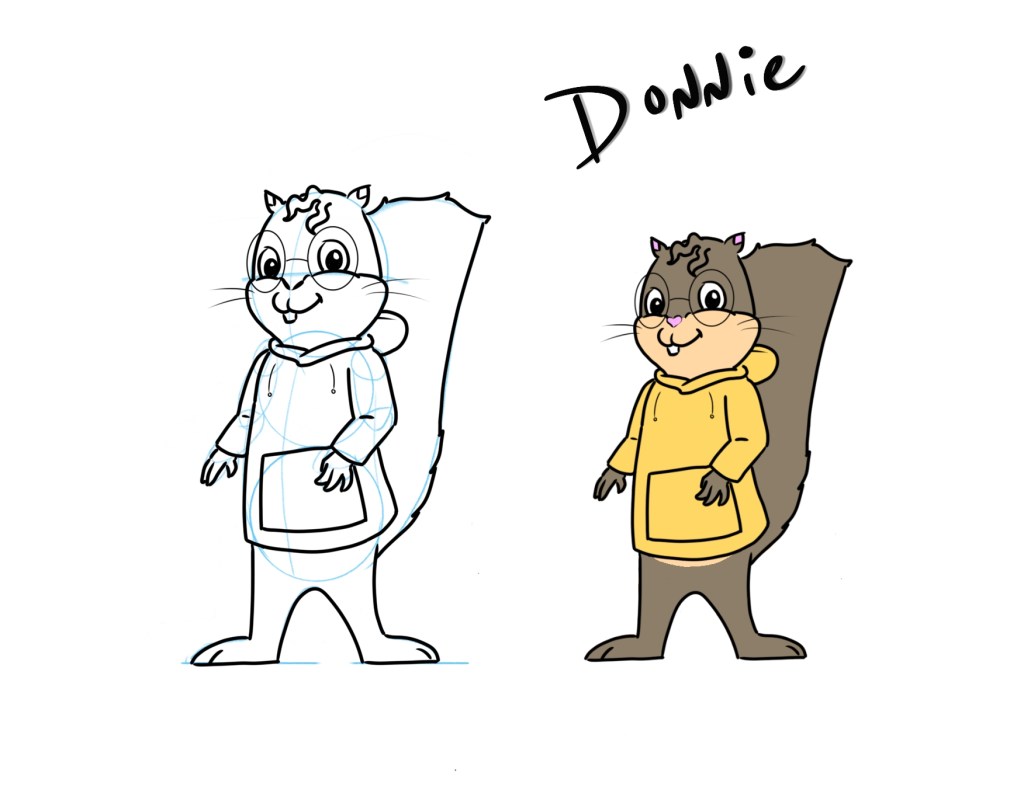
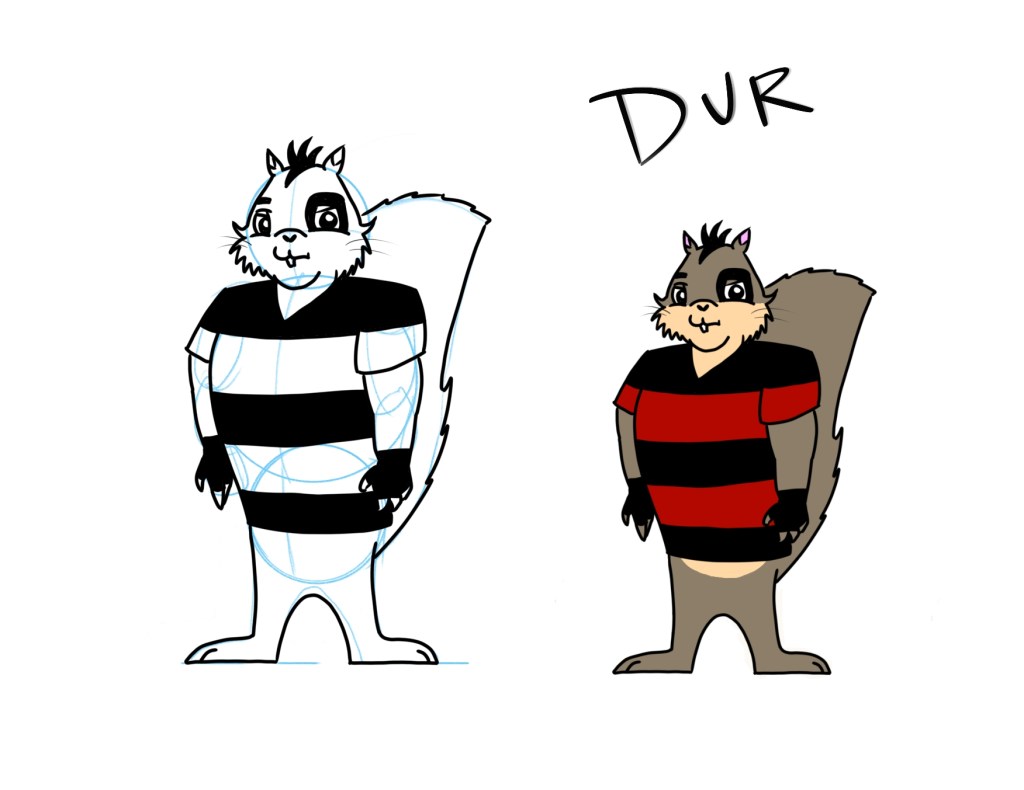
Speaking of new: there are four new characters to introduce! There’s Estelle, an elder painted turtle who is a leader in the River Bend community; Timothy and Conor, a raccoon and mouse who made their first appearance in a panel in Wave 1 and have expanded roles now; and there are going to be falcons. Lots and lots of falcons.
You can find some of the featured characters here, and at my website, dennis vogen dot com. Send me a message and we’ll find the best way to share your artwork.
I hope you or an artist in your life gives it a shot! And if you just want to support the project and get your paws on a book, I have a Kickstarter for these graphic novels (and more!) running right now.
They can be inconsequential; they can be essential. They can make or break a thing, or deconstruct and remake it again.
However you feel about them, they’re not going away. And as much as I hate to admit it, getting a review confirms to me that something I’ve created is real. I shouldn’t need that affirmation, but I am nothing if not a small, insecure artist.
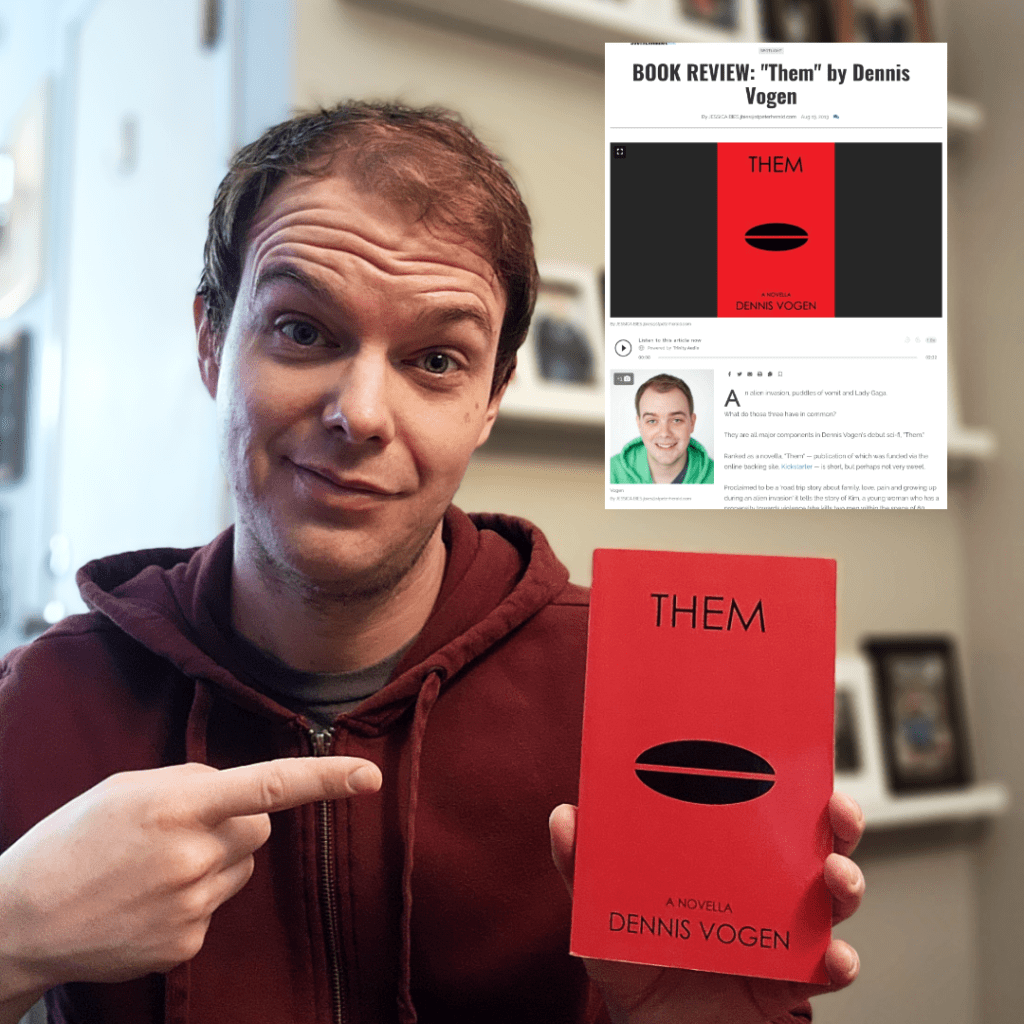
The first mainstream review I ever received about my writing was in the Faribault Daily News, on August 13th, 2013. It was for my debut novella, Them.
The review for me, to this day, is both decent and mortifying.
I would like to take a moment now to respond to excerpts from it, a decade later.
BOOK REVIEW: “Them” by Dennis Vogen
By JESSICA BIES
“An alien invasion, puddles of vomit and Lady Gaga. What do those three have in common? They are all major components in Dennis Vogen’s debut sci-fi, ‘Them.'”
No notes. This is a good start.
“Ranked as a novella, ‘Them’ — publication of which was funded via the online backing site, Kickstarter — is short, but perhaps not very sweet.”
Okay, Jessica, slow your roll.
“‘Them’ is fast-paced and engaging –“
Alright, now we’re back.
“– though it lacks some maturity, both figuratively and literally. An obsession with certain bodily functions makes the novel more likely to be appreciated by a younger audience.”
You know, I don’t know about this. I mean, is there a chapter about sharting? Well, yes. But did I name that chapter “Shart”? I did. Okay, she makes another fine point.
“It’s brevity and omnipresent narration leaves little room for character development — though Kim and Guy’s pasts are slightly fleshed out, it is still difficult to discern what motivates them. Why does Kim behave so recklessly? Why does Guy trust her so completely?”
This is actually the part of the review (the only part?) that I strongly disagreed with, if only because she asks why Kim acts so recklessly, and we rarely ask that same question when it comes to male action protagonists in any medium. (Case in point: John Wick is four movies and countless dead bodies into a career fast-tracked by the murder of his pet.)
Something that I’ve felt strongly when writing characters is that they shouldn’t be “characters”; they should act outside of what you expect from them, because that’s what humans do.
Kim, from the moment she was born in my mind, was “complicated.” I wanted her to be both a sweet, well-adjusted twenty-something woman, and a cold-blooded killer who justifies her violence with the kidnapping of her parents.
Does that make sense to everyone? No. In fact, I was banking on the idea that it would be jarring to read. But when you learn about violence, it rarely makes sense. It’s why we have entertainment empires built on it; it seems nobody is violent for the exact same reasons.
“If the novella had a soundtrack, it would consist of songs by Madonna, Phil Collins and Prince. A mish-mash of pop culture references are both entertaining and distracting. At times, the novella reads like a college freshman’s attempt at creative writing. At others, a B-roll science fiction script.”
Guilty on all counts.
“Still worth a read, if only because of the Vogen’s dedication and successful attempt to raise money for its publication, ‘Them’ is for the stout of heart. The first in a planned two-book series, you may find yourself eager to read “Us,” or eager not to.”
Note from the future: many were “eager not to,” leading to the failure of my next Kickstarter. Also, she refers to me here as “The Vogen” and I demand you all use that name for me going forward.
“If you’re looking for a quick and dirty, sci-fi don’t, do read. If you possess a slightly more refined palate (and an aversion to crude humor), it is better passed on.”
It could have been worse, right?
Being in my hometown newspaper (which has happened several times now) is always a neat experience. I get messages and calls from friends and family, and my mom collected every article.
I opened with the love-it-or-hate-it nature of reviews, but truthfully, they are what make the artistic world go round. Not just the mainstream reviews, but the most important ones: word-of-mouth.
Over the years, I have received every kind of personal review, from detailed emails going over countless aspects of a book of mine, to a text once that read “it was fine.”
Attention begets attention. That’s why we artists are always asking you to leave reviews for us: we are Tinkerbell, and we literally die at the sound of no hands clapping.
My first big review was more of a finger snap. But that sound was more important to me than I could have imagined.
P.S. You can check out the complete review below.
BOOK REVIEW: “Them” by Dennis Vogen
By JESSICA BIES jbies@stpeterherald.com
Aug 13, 2013
An alien invasion, puddles of vomit and Lady Gaga.
What do those three have in common?
They are all major components in Dennis Vogen’s debut sci-fi, “Them.”
Ranked as a novella, “Them” — publication of which was funded via the online backing site, Kickstarter — is short, but perhaps not very sweet.
Proclaimed to be a ‘road trip story about family, love, pain and growing up during an alien invasion’ it tells the story of Kim, a young woman who has a propensity towards violence (she kills two men within the space of 60 pages) and Guy, a gay truck driver with a tortured, somewhat seamy past.
Kim wears the pants in the relationship. Determined to find her parents, who she believes were captured by the invading, human-like aliens, she set out on the road with a sense of recklessness that immediately gets her into trouble.
Guy happens across her just minutes after she gouges out a would-be rapist’s eyes and causes a fiery car crash. Despite some trepidation, Guy chooses to travel with girl, drawn to her despite her ability to kill upon demand.
By the end of the novella, the two will be caught up in ‘one of the oddest love triangles of all time,’ both capturing the attention of one of the aliens, Idle, who just happens to look like a young, male supermodel.
“Them” is fast-paced and engaging, though it lacks some maturity, both figuratively and literally. An obsession with certain bodily functions makes the novel more likely to be appreciated by a younger audience. It’s brevity and omnipresent narration leaves little room for character development — though Kim and Guy’s pasts are slightly fleshed out, it is still difficult to discern what motivates them. Why does Kim behave so recklessly? Why does Guy trust her so completely?
If the novella had a soundtrack, it would consist of songs by Madonna, Phil Collins and Prince. A mish-mash of pop culture references are both entertaining and distracting. At times, the novella reads like a college freshman’s attempt at creative writing. At others, a B-roll science fiction script.
Still worth a read, if only because of the Vogen’s dedication and successful attempt to raise money for its publication, “Them” is for the stout of heart. The first in a planned two-book series, you may find yourself eager to read “Us,” or eager not to.
If you’re looking for a quick and dirty, sci-fi don’t, do read. If you possess a slightly more refined palate (and an aversion to crude humor), it is better passed on.
I woke up this morning to one of the most generous days I’ve ever risen to during a Kickstarter campaign; I had to rub my eyes again.
Our numbers literally flipped: we went from being 28% funded to 82% funded, an unheard of gain for us.
To say it’s humbling is an understatement; an investment this grand is just too big for words.
But I definitely feel the love.
And if you want to try to help us meet our main goal in record time, today is the day. Don’t forget: we have stretch goals in place to make some amazingly cool art.